
Children’s ski rental in Italy: what to check before the first lesson
Choose equipment for the child who will ski this winter, not a size to grow into. Coordinate the lesson, fitting and collection before comparing the final price.
Team Tadalo · Updated · 6 min read
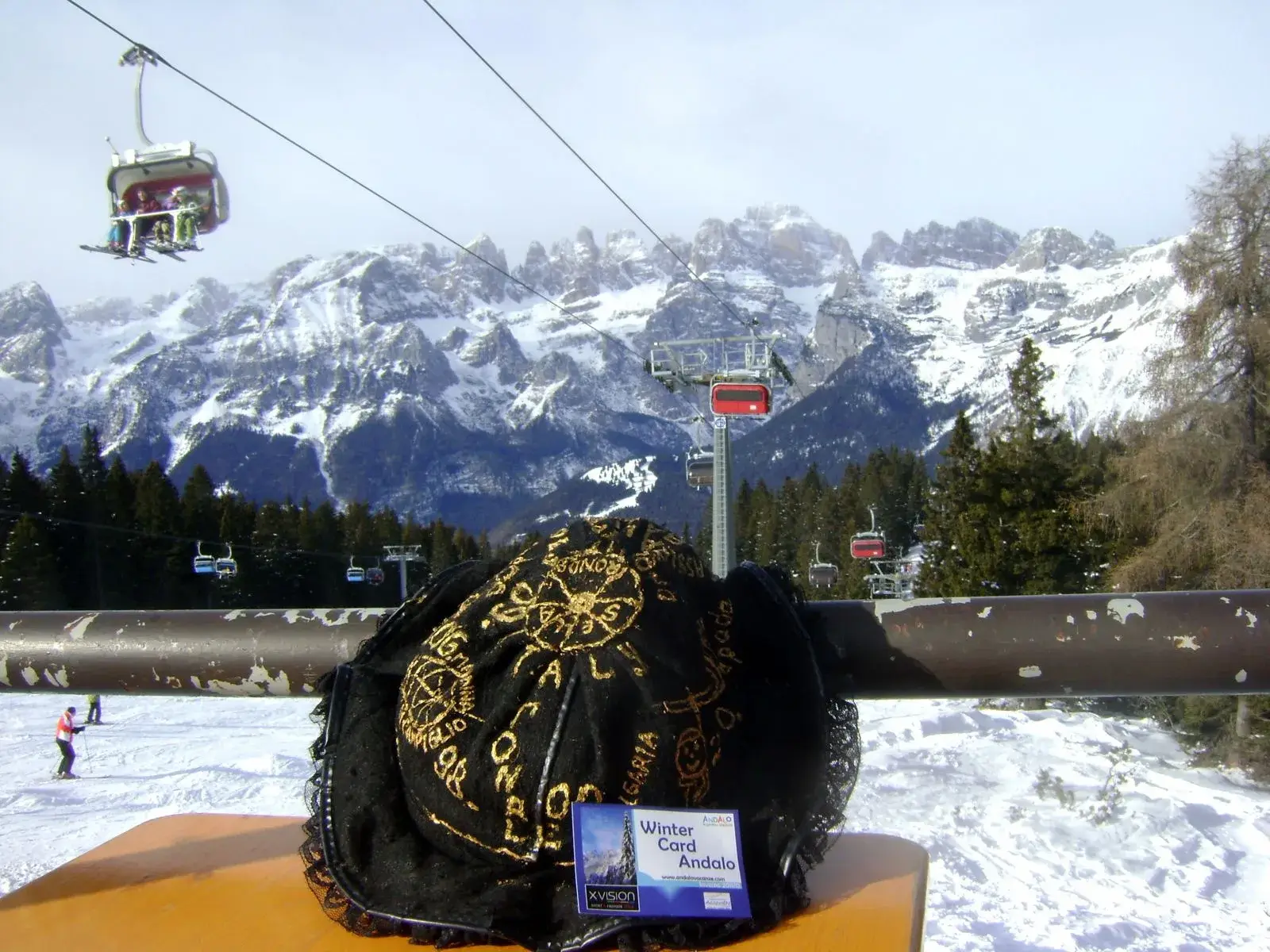
Before paying for a child’s rental skis, establish three things: the school can accept them into the chosen lesson, the kit matches their current measurements and qualified staff can check and prepare it before use. A low price is less useful if there is no practical way to resolve a fitting problem.
This guide covers a first alpine ski lesson on piste in Veneto or Trentino. There is no universal starting age or ski size here. Instead, use it to collect the information a school and equipment provider need and to check what a complete children’s package actually includes.
Confirm the lesson before collecting equipment
Tell the school your child’s age, experience and needs. Ask about duration, meeting point, arrival time and weather-related changes. Confirm which learning-area ticket is required and whether the lesson price includes it. A meeting point near a lift does not establish what access you need.
Plan the adults’ time too: someone needs to be available for collection and breaks. Check different siblings’ lesson locations before assuming their schedules work together. The official Trentino portal introduces areas for children’s first skiing experiences; confirm details with the school itself.
Use current measurements, not a size to grow into
Provide current height and weight, describe previous skiing experience and ask how the provider wants the foot measured. Age alone is not enough: two children of the same age can need different equipment. Let competent staff select the actual model and size.
Do not automatically choose larger boots or longer skis so they last another winter. If you already have a sibling’s kit, arrange checks of fit, condition and compatibility before relying on it for the lesson. Equipment being available at home does not establish that it is suitable now.
Allow time for fitting and professional setup
Bring the socks your child will ski in and have an experienced fitter assess the boots. Ask the child to describe discomfort and pass that information to the fitter. Larger boots or tighter buckles are not automatic answers to a fitting problem; ask for an assessment and alternatives.
Establish who checks boot and binding compatibility and adjusts the setup using the child’s details and actual boot. This requires qualified staff. A setting left by the previous user is not a setup for your child. If a private owner cannot provide the necessary service, arrange it separately before use or choose equipment from a provider who can.
Ask what a children’s kit contains
Request a written list covering skis, bindings, boots and any poles or helmet. Follow the school’s advice about poles for the first lesson. Check helmet fitting and compatibility with goggles with competent staff, and do not assume accessories pictured in a general photograph are included.
Ask how an unsuitable size or missing component is handled: where can a replacement be collected, at what time and under which terms? Collection near home can simplify the journey, while a provider near the learning area may make exchanges easier. Compare both arrangements rather than only the headline rental rate.
- Exact components and agreed sizes.
- A fitting with your child present.
- Professional compatibility checks and setup.
- Clear exchange location, hours and conditions.
- A handover record of existing visible damage.
Compare ownership with the course you actually booked
For a first trial, renting can avoid buying before your child knows whether they enjoy skiing. For a course with repeated outings, compare a seasonal quote too. Include equivalent equipment, size-exchange arrangements, maintenance, travel and storage; neither rental duration is always cheaper.
When considering second-hand purchases, include a technical inspection and any required preparation. Possible resale income is uncertain, not a guaranteed deduction. Our daily versus seasonal ski rental guide explains how to compare real quotes rather than relying on a universal number of ski days.
Make the first morning easy to manage
Separate fitting from the meeting time if practical. If collection must happen that morning, ask how much time to allow and add room for parking and walking to the lesson. Prepare a dry change and accessible booking details; our winter weekend checklist covers the wider trip.
Then browse winter equipment rentals, checking the exact sizes with each owner. A nearby listing does not guarantee availability, the right fit or professional setup. Confirm all three before booking, and tell the school what equipment you will bring if you still have questions about suitability.
Find equipment for your plans
These links open category searches. Check the location, dates, accessories and conditions in each listing. They are not packages or guaranteed availability.
Frequently asked questions
What size rental skis does a child need?
Give the provider current height, weight, experience and intended use. Age alone is insufficient, and equipment to grow into should not be selected without competent advice.
Is a helmet included in children’s ski rental?
Only if confirmed. Ask for the component list, fitting arrangements and compatibility with goggles rather than assuming it is part of every package.
Should I rent children’s skis for the whole season?
Compare equivalent quotes using realistic outings, size-exchange terms, maintenance and travel. A seasonal arrangement is not automatically the cheapest.
Keep exploring
Pressure washer rental for a patio or courtyard: choosing the complete kit
Start with the paving, water supply and accessories rather than the biggest pressure figure. Prepare the job before your rental period begins.
Birthday party equipment rental: what you actually need for a party at home
Start with guests, space and the party format. Then rent the furniture, audio and accessories you are missing rather than filling the room with unnecessary equipment.
Table and chair rental for a family lunch: quantities, measurements and transport
More guests than chairs does not require a full event package. Count the missing places and check the layout and transport before reserving extra furniture.
Party speaker and microphone rental: music, speeches or karaoke?
A speaker that plays a playlist is not automatically a karaoke system. Specify the activity and test the complete setup with your actual source and microphones.
Photo credits
Real photographs from Wikimedia Commons, resized for this website; some previews are cropped. Images illustrate the guide and do not guarantee equipment availability.
- Paganella ski slopes above Andalo in winter — Zoran Kurelić Rabko. Wikimedia Commons · CC BY-SA 3.0
