Rent or buy? A practical guide to tools, sports gear and occasional hobbies
A tent for a first trip, a machine for one project and a bicycle for daily travel call for different decisions. Compare the real use and total cost rather than a promised saving.
Team Tadalo · Updated · 5 min read
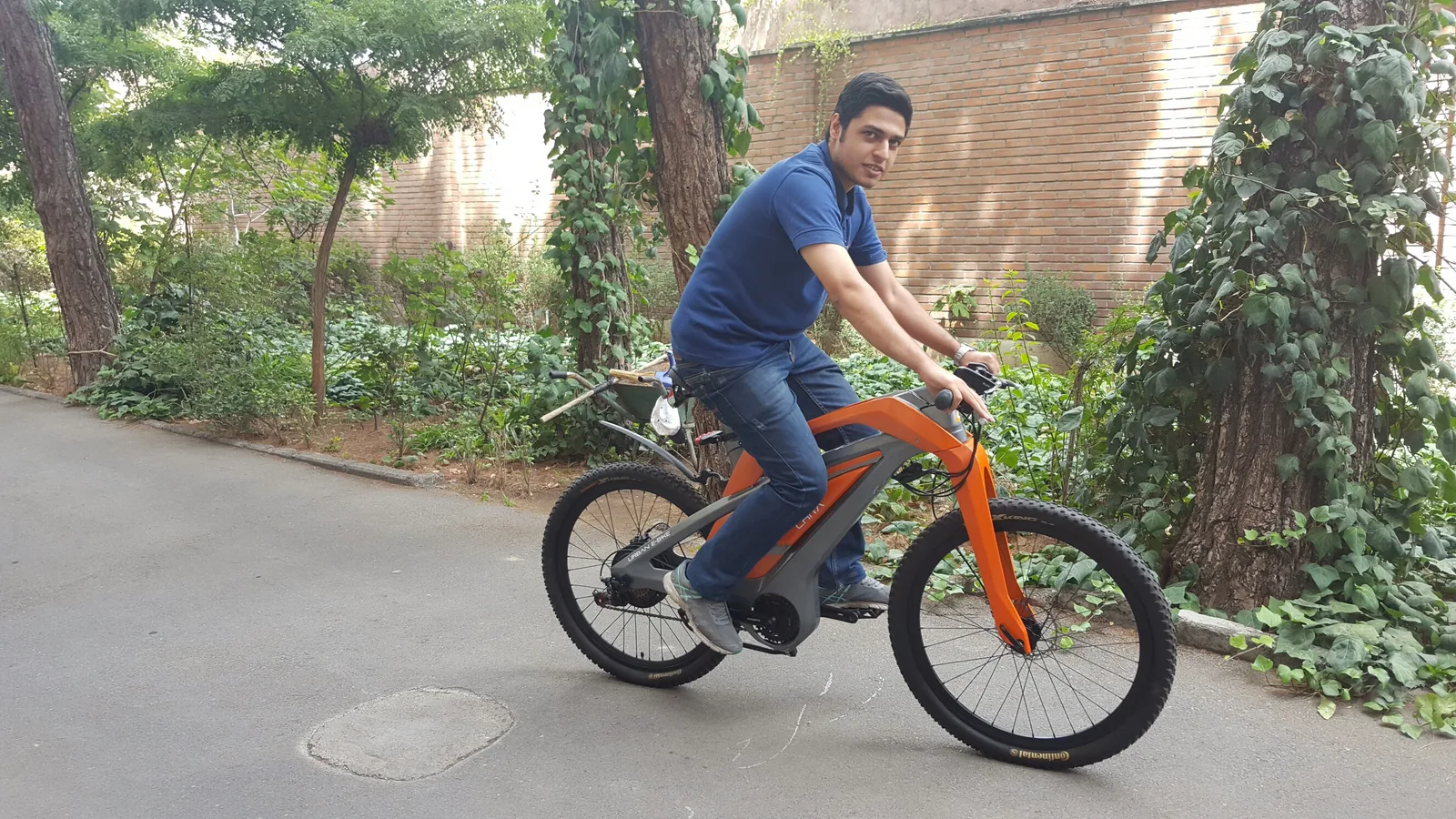
Renting or buying is not a decision you make once for everything. A driver used every week and a machine needed for one project have different roles in the same home. The bicycle you commute on and equipment for a new holiday activity have different requirements too.
A useful comparison considers frequency, total cost, storage and organisation. This guide brings together tools, camping equipment, bicycles and cameras because the reasoning can be similar even when the objects are different. The aim is access to what you need without collecting purchases you rarely use.
Separate a recurring need from a one-off project
Ask how often you have used similar equipment recently and which specific occasions are coming up. “It might be useful” is not a frequency. If you are preparing one project or a short holiday, compare a rental for that period with buying equivalent equipment.
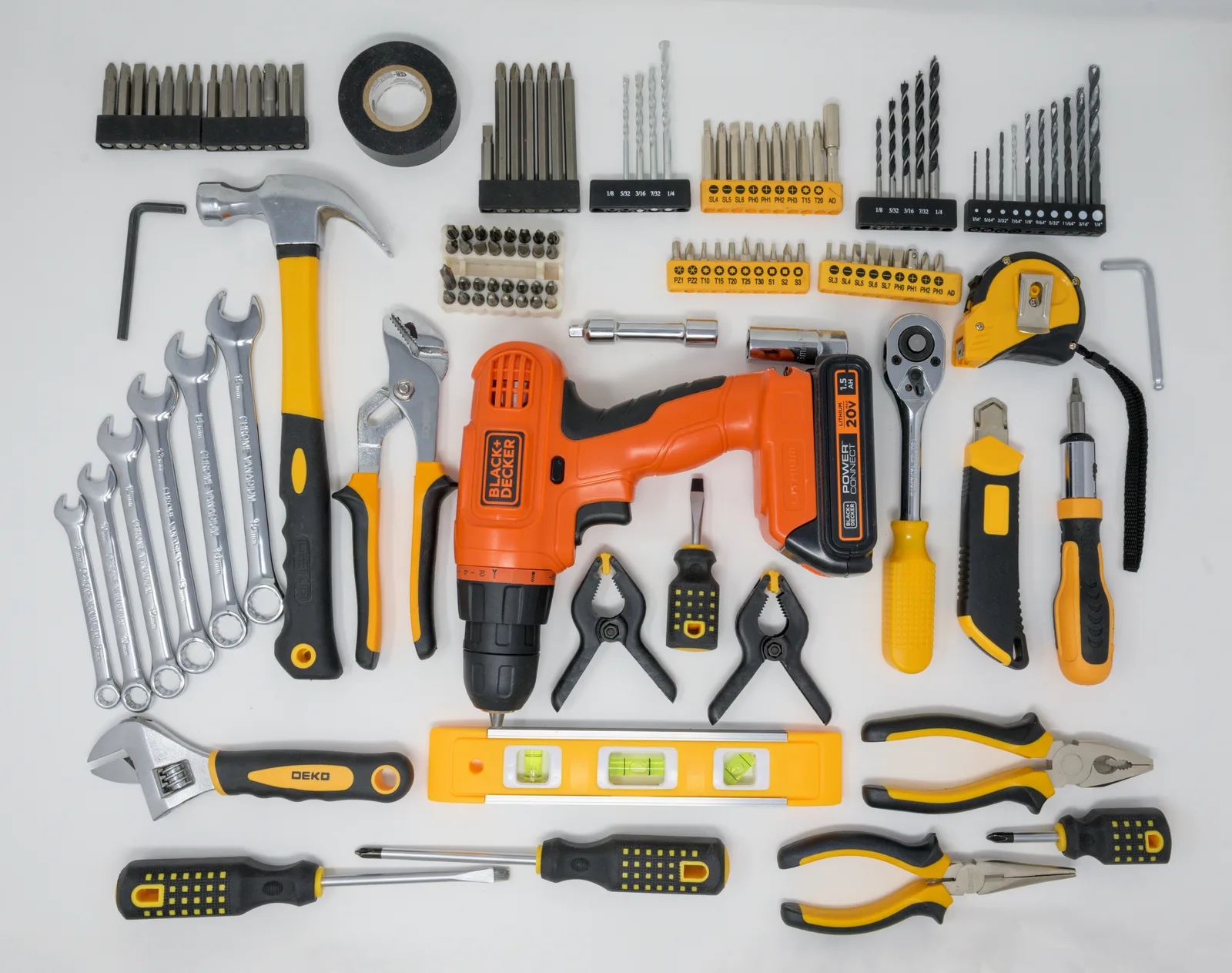
For regular use, ownership gives immediate access and removes repeated collection arrangements. For occasional use, renting may avoid storage, maintenance and a larger initial purchase. Neither choice wins in every situation. The same person can sensibly own basic hand tools and rent a specialist machine.
Compare the total, not the most visible price
For a purchase, include essential accessories, maintenance and storage as well as the item. For a rental, include the full period, accessories, consumables and travel. Check whether the listed unit is a day or a week. Distinguish a refundable deposit from a final charge while understanding any funds you need available.
Here is an illustration, not a Tadalo price: an item costs €250 to buy, while one rental use costs €25 including collection travel. The simple totals become equal after ten uses. That is not a universal break-even rule: it leaves out maintenance, useful life, resale value, changing prices and your time. Substitute real prices and your likely use before deciding.
Count the space and practical responsibility
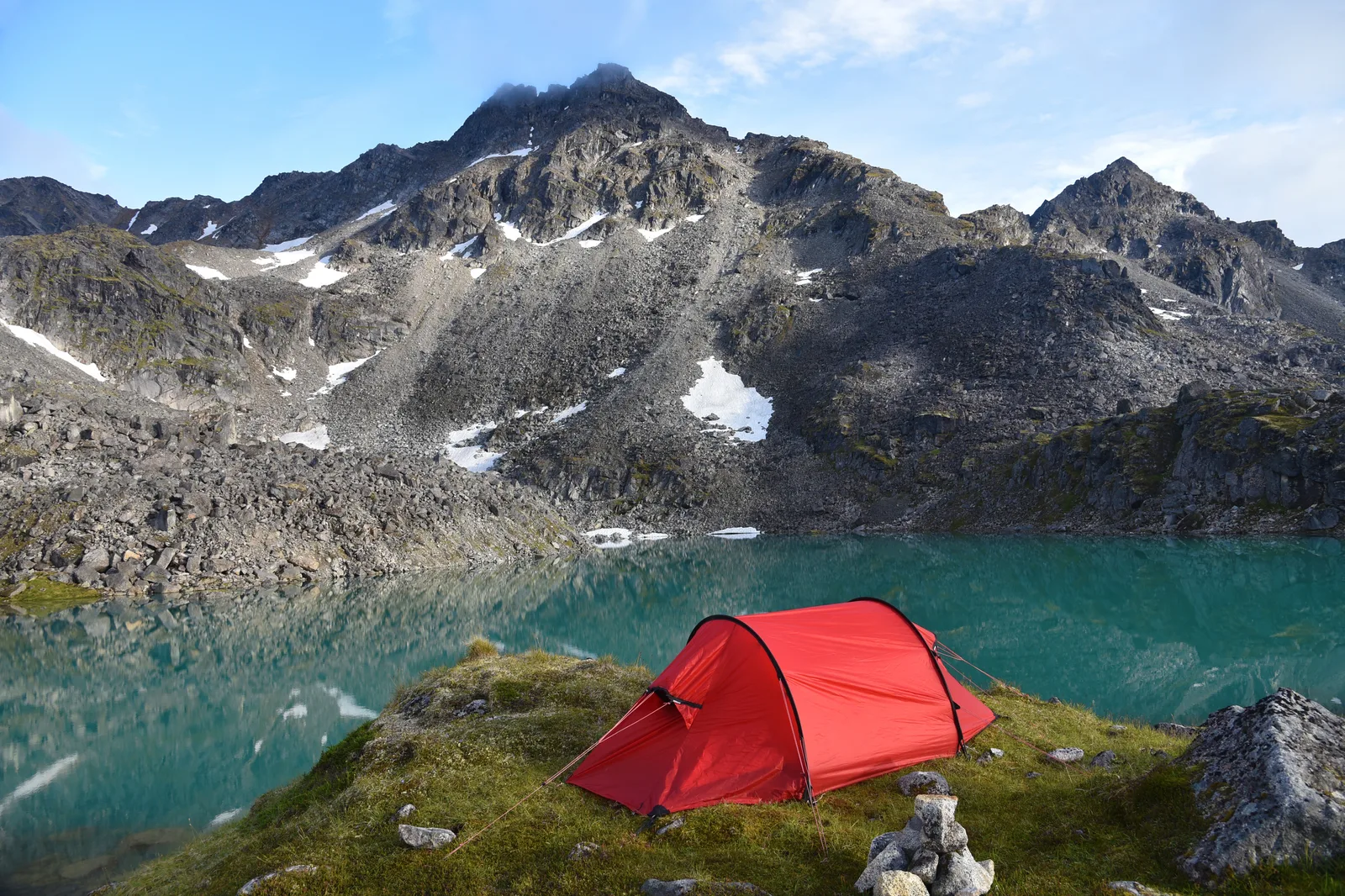
A tent needs drying and storage, a bike needs somewhere to be kept, and tools need checks and compatible accessories. These matter if you have limited space, even when the purchase price looks reasonable. If you already have suitable storage and use the item frequently, the balance changes.
Renting also takes effort: arranging a time, collecting, inspecting and returning. Around Bassano or another town, an owner on a journey you already make may be easier to use than a cheaper listing farther away. Consider the actual journey, not just the distance displayed on a map.
Rent to find out whether an experience suits you
A first camping trip or e-bike ride answers questions a product specification cannot. Do you enjoy the activity? Is the equipment comfortable to use, transport and store? Does the model you imagined actually suit the way you want to spend your time?
Give the trial a clear purpose: riding position, tent space or camera controls. One rental does not represent every model in a category. Write down what you would change. That helps you choose a later purchase, or decide that renting occasionally gives you all the access you need.
Make the choice with five practical questions
If the use is occasional, suitable equipment is available and collection is straightforward, look at rentals before buying. If the item is needed often, must always be ready or is awkward to collect repeatedly, consider ownership too. Sometimes the best answer is to use what you already have or simplify the project.
For ideas that turn this decision into a practical task, read our weekend DIY guide. For a holiday, use the Veneto and Trentino packing guide. Then browse the relevant categories and check dates and conditions with the owner. Access to a useful experience matters more than the number of objects you keep.
- Is this for an occasion or a regular habit?
- What is the full cost of each option?
- Where would I store the item?
- Are collection and return practical?
- Could a rental help me decide before buying?
Find equipment for your plans
These links open category searches. Check the location, dates, accessories and conditions in each listing. They are not packages or guaranteed availability.
Tools and hardware
For assembly, fixing and practical home projects.
Browse this category →Camping and adventure
Tents, sleeping equipment and outdoor accessories.
Browse this category →Bikes and cycling
Compare sizes, models and collection locations.
Browse this category →Photography and video
Equipment for a project or a new interest you want to try.
Browse this category →Frequently asked questions
Is renting always cheaper than buying?
No. It depends on the period, frequency of use, rental price, travel and ownership costs. Compare totals using real listings and purchase prices.
Which equipment categories suit occasional rental?
Tools for individual projects, camping equipment, holiday bicycles and cameras for a trial are examples. Check the suitability of the exact model and availability for your dates.
Should I count a deposit as a rental cost?
Separate a final charge from a refundable deposit. Read how and when it is handled, because it may affect the funds you need available even if it is returned later.
Keep exploring
Weekend DIY projects: improve your home without buying every tool
Start with a useful result, then build the equipment list around it. These four project ideas connect home improvement to tools you can use for a few days instead of keeping forever.
Things to do near Bassano del Grappa: plan an outdoor weekend
Choose a base and one main activity instead of filling two days with transfers. Here is how to connect cycling, town visits and time outdoors with practical local equipment rental.
Travel light in Veneto and Trentino: what to pack and what to rent
Your luggage does not need to cover every possible activity. Bring the personal essentials, check what your accommodation provides and consider renting bulky or occasional-use gear locally.
Photo credits
Real photographs from Wikimedia Commons, resized for this website; some previews are cropped. Images illustrate the guide and do not guarantee equipment availability.
- A person riding an electric bicycle — Freshman404. Wikimedia Commons · CC BY-SA 4.0
- Hand tools and power tools on a workbench — Wilfredor. Wikimedia Commons · CC0
- A tent beside a lake in the mountains of Alaska — Paxson Woelber. Wikimedia Commons · CC BY 2.0


.jpg)